A community-based education movement
Sustainable education: the future education
“The best education not only fills the mind but also touches the heart and heals the Earth.”
Who we are
Sekolah Alam Indonesia is a community-based school.
- Our vision
- Global Center of Excellence in Education System
- Our mission
- To develop leading generation with noble character through real life experience within community
- Our values
- IMAN IHSANIntegrity, Maturity, Accountability and Nature-Savvy · Influential, Humble, Sociopreneurial, Agile and Novel
Three pillars of education
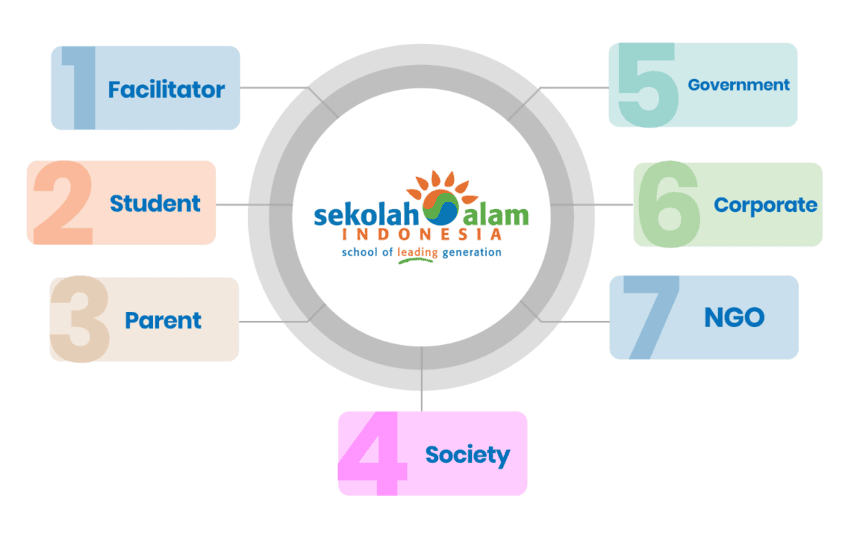
Functioning as a community-based school, Sekolah Alam Indonesia encourages active participation from all stakeholders, who play vital roles in fostering educational progress. By using a conceptual approach with 3 pillars of education:
- Logical ThinkingIncorporating the spider-web framework and drawing inspiration from both nature and business methodologies as learning media. Through this innovative approach, teachers exemplify holistic thinking, fostering a profound understanding of the universe among students.
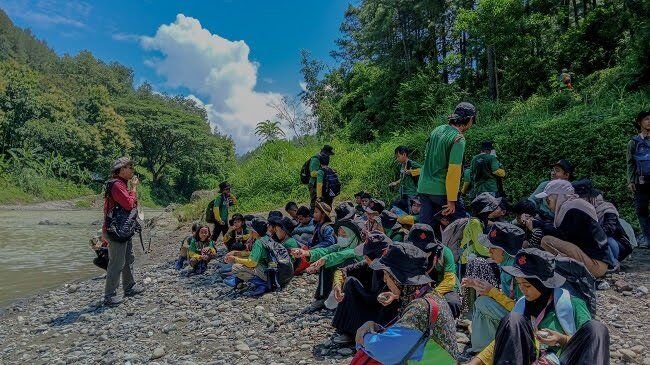
- LeadershipThe utilization of outbound methods adds a dynamic dimension to the learning experience. Teachers actively engage in outbound activities with students, allowing them to practically apply their knowledge and skills in real-world scenarios.
- Akhlaq (Morality)The role model method is employed, wherein teachers serve as literal embodiments of good manners for students. This approach goes beyond theoretical instruction, allowing students to witness and internalize positive behavior through the tangible examples set by their educators.
As a Global Center of Excellence in Education System
Sekolah Alam Indonesia wants to exemplify how education can harmonize human potential with planetary well-being. It is not merely a school but a movement, inspiring the future where learners are:
- Ethical InnovatorsThese are individuals who devise creative solutions to social and environmental challenges without compromising moral values
- Environmental GuardiansThis concept refers to humans as protectors and restorers of nature
- Empowered ThinkersThese are individuals who are critical, independent, and confident in tackling challenges
- Stewards of the Earth (khalifatullah fil Ard)This Islamic concept positions humans as Allah’s representatives on Earth, tasked with preserving balance, fostering prosperity, and upholding justice (Q.S. Al-Baqarah 2:30)
Sustainable education
In accordance with the global sustainable movement, an increasing number of educational institutions are making strides in enhancing their delivery of sustainability focused education. However, lingering questions persist regarding the efficacy of school-based education for sustainable development. Can it truly contribute to the creation of more sustainable communities?
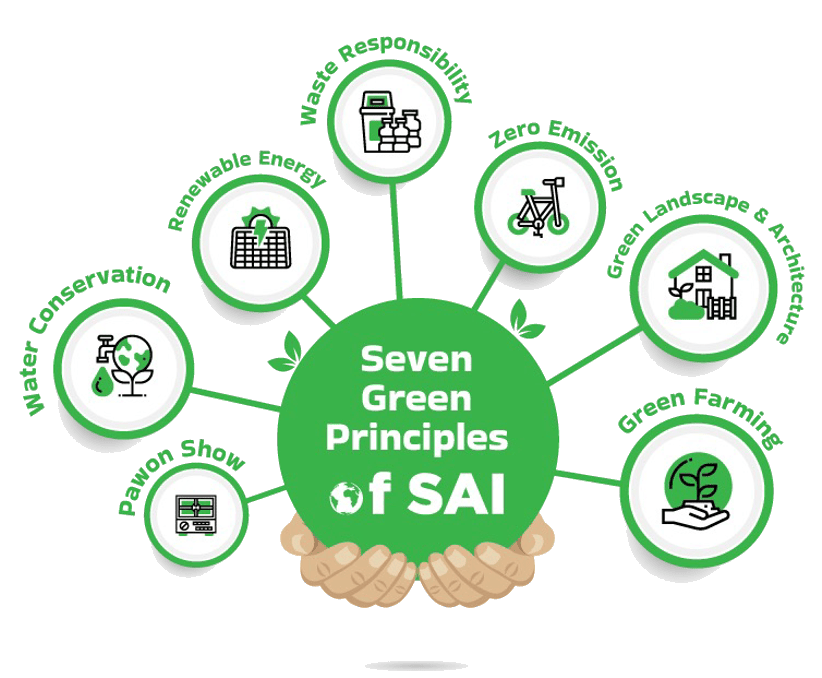
The 7 Green Principles
Sekolah Alam Indonesia is actively shaping a unique framework known as the "7 Green Principles" to underpin our curriculum and guide our learning activities. These principles serve as a compass, directing our educational endeavors towards holistic development, environmental stewardship, and community engagement. We believe that transformative learning is not just a theoretical concept but a lived reality, and our commitment to the "7 Green Principles" reflects our dedication to cultivating future leaders who are not only well-educated but also deeply invested in the well-being of our planet and communities.
Collaborative Project
Our focus extends beyond the confines of our school, as we aspire to build a network of supportive communities that share our vision for a sustainable future. By fostering collaboration on multiple fronts, we aim to harness collective wisdom, resources, and expertise, ensuring a more comprehensive and effective approach to sustainable education.
Partnership
Through strategic alliances and partnerships, the institution aspires to create a ripple effect that extends far beyond its immediate educational sphere, contributing to the broader mission of building a sustainable and responsible global community.
Islam, a blessing to all of creation
The phrase encapsulates a key principle in Islam, emphasizing the universal and compassionate nature of the religion. Muslims understand their faith as a blessing that brings mercy not only to humans but to the entire universe. It encourages believers to embody and spread the values of compassion, justice, and benevolence to all living beings. This concept is utilized in Sekolah Alam Indonesia, encouraging students to be agents of peace and goodwill in the world.
Green Living
The concept refers to incorporating environmentally friendly and sustainable practices into the daily operations, curriculum, and overall ethos of educational institutions. This approach aims to create an eco-friendly and socially responsible environment within the school community.
Our services
-
School
“Build Schools That Transform the World, Starting with Nature”
We help you establish nature-based schools rooted in the philosophy of the school of life, where every corner of the learning space becomes a living laboratory.
-
People Development
“Empower Future Leaders Who Think Globally, Act Locally”
Our human development programs cultivate visionary teachers, parents, and educational leaders through experiential training.
-
School Management
We design operational management systems, transparent financial practices, and strategies to engage communities in a collaborative role. With green leadership, your school becomes a beacon of inspiring education, not just an institution.
-
Training, Consulting
SAI’s experts offer interactive workshops and strategic consultations. From nature-integrated teaching methods and zero-waste management to embedding Islamic values in curricula—we tailor solutions to your needs. Turn your vision of sustainable education into reality!
-
Sharing and Inspiring
“Together, We Build a Thriving Network of Impactful Education”
SAI opens doors to collaboration through educator forums, sharing webinars, and idea exchanges. Here, competition gives way to synergy—because quality education thrives on unity, not rivalry.
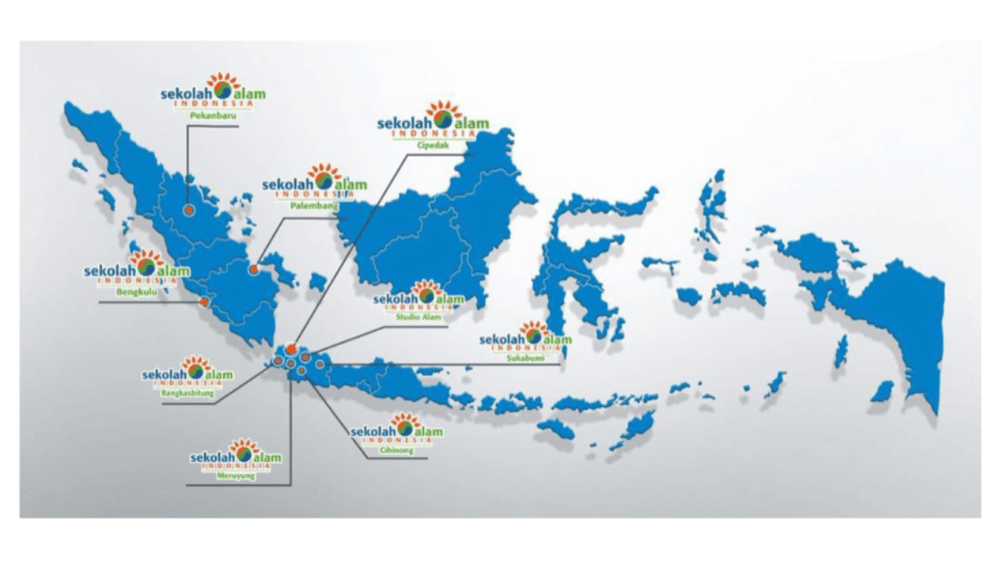
Our network
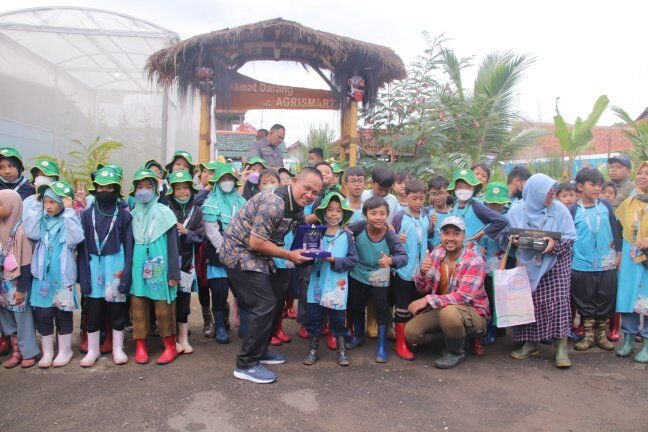
Nature schools across Indonesia, and an ecosystem of organisations that grew alongside the movement.
Ecosystem



Voices from our visitors
Testimonials from several figures who have visited.
-
This is an amazing and truly unique school, with wonderful values and a deep concern for education.
 Jim HarissonLEA Hertfordshire - England
 -
It is a very natural desire for a child to be in contact with the environment and to learn from it. You are doing what I missed, and I truly appreciate it. We will also think about whether we can replicate something like this in Pakistan.
 Prof. SharmaMinistry of Education, Pakistan
 -
The first time I saw this school, I was very impressed. The children look very happy, enjoy whatever they are doing, and are very brave. The teachers are very caring. It seems like a very nice place to learn.
 Prof. Joel C. KuipersGeorge Washington University
Frequently asked questions
How does SAI balance academic rigor with environmental education?
SAI integrates subjects such as math and science into project-based learning (PjBL) on real-world sustainability themes, so that academic learning and ecological responsibility go hand in hand.
What makes SAI’s 7 Green Principles unique compared to other eco-schools?
The principles are woven into daily school life and the curriculum, through practices such as green farming, waste responsibility, and water conservation, so that sustainability is practiced, not just taught.
How does SAI incorporate Islamic values without being dogmatic?
It focuses on universal ethics like stewardship (khalifatullah fil ard) and justice, linking Quranic teachings to practical actions like community gardening and environmental care.
Can SAI’s model work in non-Muslim or urban settings?
Yes. Its core principles (democratic learning, sustainability) can be adapted. Several schools have adopted approaches similar to the SAI concept, adjusting them to their local cultures.
Do SAI graduates compete in traditional academic systems?
Yes. SAI students take national examinations like students elsewhere, while also developing leadership and problem-solving skills through real-life learning.
How does SAI measure success beyond grades?
Through a portfolio of real-world projects and peer evaluation, alongside academic results.
Let’s grow sustainable education together
Planning to establish a nature school, develop your educators, or collaborate with the movement? Talk to us.
Tap the WhatsApp button at the bottom right to chat with us.